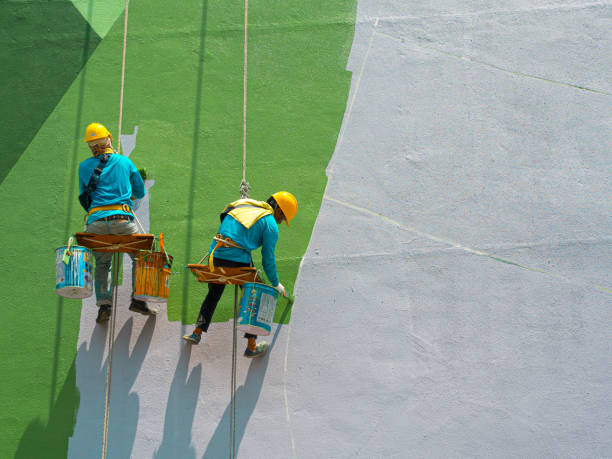
Commercial properties are more than just places where business takes place. They represent your organisation, create lasting impressions on customers, and provide a safe and productive environment for employees. Over time, however, exposure to weather, daily wear, moisture, and heavy foot traffic can cause painted surfaces to fade, peel, crack, or become damaged.
This is where commercial painting services play an important role. Regular painting is not only about improving appearance. It also helps protect building materials, extend the life of your property, maintain a professional image, and reduce long-term maintenance costs.
In this guide, we will explain why regular painting matters, how it benefits different types of commercial properties, and what to expect from a professional painting project.
What Are Commercial Painting Services?
Commercial painting services involve painting, protecting, and maintaining the interior and exterior surfaces of commercial buildings. These services are designed for properties that experience frequent use and require durable finishes capable of withstanding everyday wear.
Commercial painting may include:
- Office buildings
- Retail stores
- Restaurants
- Warehouses
- Educational facilities
- Healthcare facilities
- Hotels
- Industrial buildings
- Apartment complexes
- Government buildings
Professional painting projects often include surface preparation, repairs, priming, painting, finishing, and final inspections to achieve durable and consistent results.
Why Regular Painting Is Essential for Commercial Properties
Many property owners wait until paint begins peeling or significant damage appears before scheduling maintenance. However, routine painting helps prevent expensive repairs and keeps buildings in excellent condition throughout the year.
Protects Building Surfaces
Paint acts as a protective barrier against environmental conditions.
Exterior surfaces constantly face:
- Rain
- Sunlight
- Wind
- Moisture
- Temperature changes
- Airborne pollutants
Without proper protection, these elements can gradually damage concrete, wood, steel, brick, and other construction materials.
Interior paint also protects walls from:
- Scuffs
- Stains
- Moisture
- Everyday wear
- Cleaning chemicals
Maintaining quality paint reduces deterioration and helps preserve the building’s structural materials.
Creates a Positive First Impression
The appearance of a commercial property influences how visitors, customers, tenants, and business partners view the organisation.
Fresh paint communicates:
- Professionalism
- Attention to detail
- Cleanliness
- Pride in the property
On the other hand, faded or damaged paint may suggest poor maintenance, even if the business provides excellent products or services.
A clean and attractive building helps create confidence from the moment someone arrives.
Increases Property Value
Well-maintained buildings generally retain their value better than neglected properties.
Regular painting:
- Improves curb appeal
- Enhances marketability
- Attracts prospective tenants
- Supports higher resale value
- Demonstrates ongoing maintenance
For commercial property owners, preventative maintenance often leads to better long-term investment returns.
How Commercial Painting Services Help Different Areas of a Property
Every section of a commercial building experiences different conditions and requires specific painting solutions.
Exterior Surfaces
Exterior painting protects the building against harsh weather while maintaining an attractive appearance.
Common exterior areas include:
- Walls
- Entryways
- Doors
- Windows
- Metal railings
- Fences
- Parking structures
Weather-resistant coatings help prevent fading, moisture penetration, and corrosion.
Interior Spaces
Interior painting improves the working environment while protecting surfaces from everyday use.
Common interior areas include:
- Reception areas
- Offices
- Conference rooms
- Hallways
- Stairwells
- Kitchens
- Restrooms
- Storage areas
Clean, bright interiors create welcoming environments for both employees and visitors.
Industrial Facilities
Industrial environments often require specialised coatings designed to withstand:
- Heavy equipment
- Chemicals
- Moisture
- High temperatures
- Frequent cleaning
Protective coatings improve durability while supporting workplace safety.
Signs Your Commercial Property Needs Repainting
Regular inspections help identify when repainting is necessary before serious damage develops.
Watch for these common signs:
Peeling or Cracking Paint
Peeling paint allows moisture to reach the underlying surface, increasing the risk of deterioration and costly repairs.
Fading Colours
Constant sun exposure gradually causes paint to lose its original colour and finish.
A faded exterior may make an otherwise well-maintained property appear outdated.
Water Stains
Water marks often indicate moisture problems that should be addressed before repainting.
Ignoring these issues may lead to mould growth or structural damage.
Surface Damage
Scratches, dents, chips, and scuff marks become more noticeable over time, particularly in high-traffic areas.
Fresh paint restores a clean, professional appearance.
Rust on Metal Surfaces
Metal doors, railings, and structural components may begin rusting if protective coatings wear away.
Early repainting helps prevent corrosion from spreading.
Benefits of Routine Commercial Painting Services
Scheduling regular maintenance provides advantages beyond appearance.
Lower Maintenance Costs
Preventative painting reduces the need for expensive structural repairs by protecting surfaces before damage occurs.
Longer Building Lifespan
Protective coatings help construction materials last longer by reducing exposure to moisture, sunlight, and contaminants.
Improved Employee Environment
Fresh, clean workspaces contribute to a more pleasant atmosphere.
Bright, well-maintained interiors may also improve comfort and support workplace morale.
Better Customer Experience
Customers are more likely to trust businesses that maintain clean and attractive premises.
Professional surroundings contribute to a positive overall experience.
Easier Cleaning
Modern commercial coatings often resist stains and allow surfaces to be cleaned more efficiently, reducing ongoing maintenance requirements.
How Often Should Commercial Properties Be Painted?
There is no universal schedule because repainting frequency depends on several factors.
These include:
- Local climate
- Building materials
- Previous paint quality
- Surface exposure
- Property usage
- Maintenance practices
Exterior surfaces exposed to strong sunlight, heavy rainfall, or coastal conditions may require more frequent maintenance than protected interiors.
Regular inspections help determine the appropriate repainting schedule for each property.
The Commercial Painting Process
Professional commercial painting services generally follow a structured process to achieve long-lasting results.
Initial Inspection
The project begins with a detailed assessment of the property’s condition.
This helps identify:
- Surface damage
- Moisture issues
- Existing coatings
- Areas requiring repair
Surface Preparation
Preparation is one of the most important stages.
It may include:
- Pressure washing
- Cleaning
- Sanding
- Scraping loose paint
- Filling cracks
- Repairing damaged surfaces
Proper preparation improves paint adhesion and durability.
Priming
Primer creates a stable foundation that allows paint to bond effectively with the surface.
It also improves colour consistency and long-term performance.
Painting
Paint is applied using techniques appropriate for each surface, ensuring smooth, even coverage.
Multiple coats may be applied depending on the material and desired finish.
Final Inspection
After painting is complete, the finished work is inspected to ensure consistency, quality, and complete coverage.
Choosing the Right Paint Finish
Different finishes serve different purposes in commercial environments.
Common options include:
| Finish | Best Applications |
| Flat | Ceilings and low-traffic areas |
| Eggshell | Offices and meeting rooms |
| Satin | Hallways and moderate-traffic spaces |
| Semi-gloss | Kitchens, bathrooms, and doors |
| Gloss | High-use trim and feature surfaces |
Selecting the appropriate finish improves durability while meeting functional requirements.
Tips for Maintaining Freshly Painted Commercial Buildings
After completing a painting project, regular maintenance helps preserve the results.
Consider these practices:
- Clean walls regularly using suitable cleaning methods.
- Repair small chips before they expand.
- Remove mould or mildew promptly.
- Keep gutters functioning properly to prevent water damage.
- Schedule periodic building inspections.
- Address moisture problems immediately.
- Wash exterior surfaces to remove dirt and pollutants.
Consistent maintenance extends the life of painted surfaces and reduces future repair costs.
See also: How Cryptocurrency Is Influencing Business Innovation
Conclusion
Regular commercial painting services are an important part of maintaining any commercial property. Beyond improving appearance, they protect building materials, reduce maintenance costs, extend the lifespan of surfaces, and create welcoming spaces for customers, tenants, and employees.
Whether maintaining an office building, retail space, warehouse, educational facility, or industrial property, routine painting helps preserve the condition and value of the building over time. By scheduling regular inspections and repainting before significant deterioration occurs, property owners can avoid costly repairs while ensuring their commercial property continues to present a professional, well-maintained image for years to come.